SEO content updates: a checklist for improving existing articles
Translated from Korean. View original
Can someone still complete the task by following an older guide? Content updates fix changed settings, missing steps and broken links. Examine queries alongside the actual article, and record what changed and when so the next review has context.
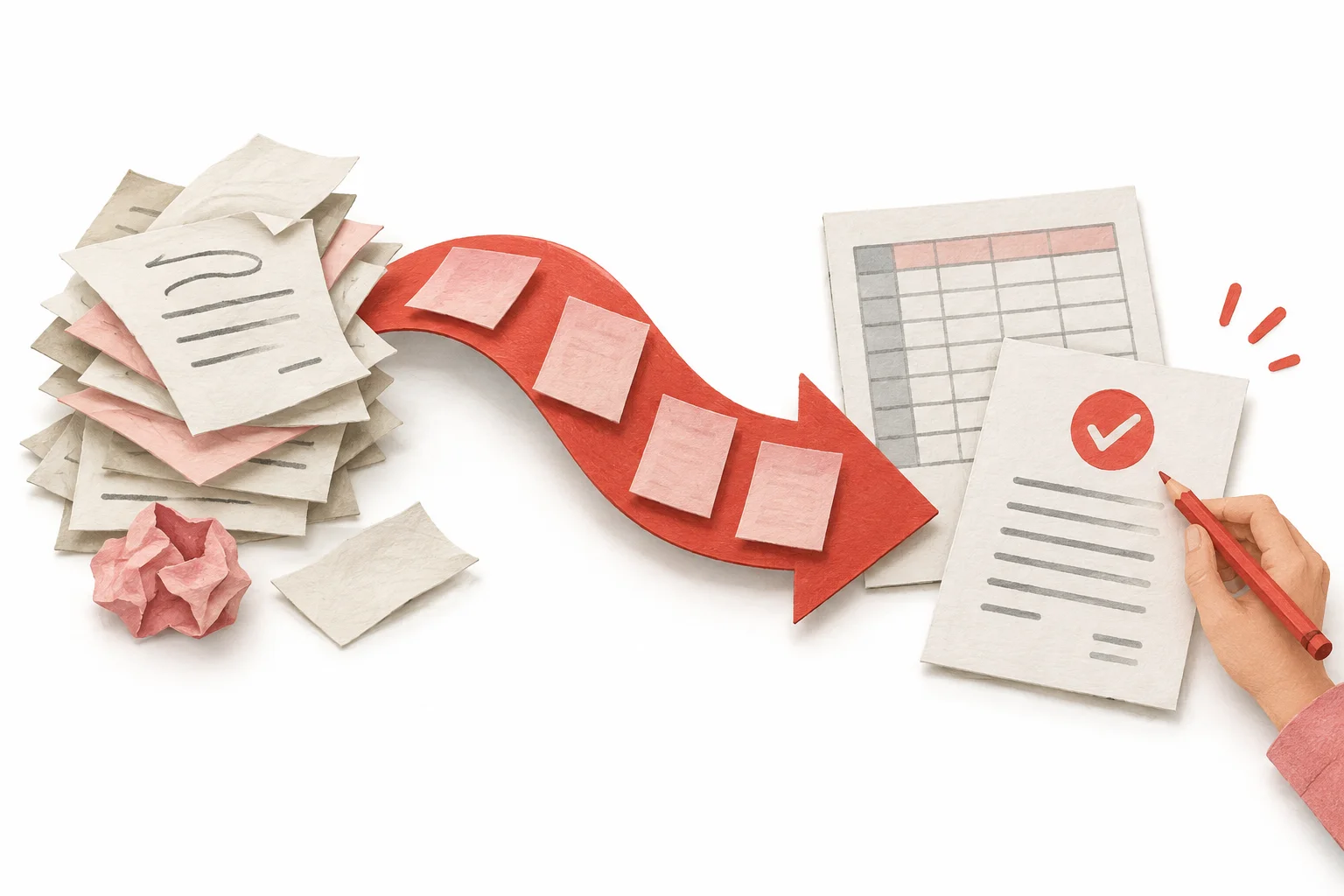
Should you write a new article or update an existing one?
If an article already answers the same question, read it first. Updating changed installation steps or missing troubleshooting lets readers find the answer in one place. Create a separate article when a different question needs a complete treatment.
Do not merge two articles merely because their keywords are similar. A concept and its connection procedure may reflect different intent. Write one sentence describing the question each existing URL answers to decide what to update and what merits a separate article.
| Choice | When to choose it | What to consider |
|---|---|---|
| Update an existing article | It already answers the same question | Changed installation steps or missing troubleshooting |
| Write a new article | A different question needs a full answer | Similar queries can still have different intent |
How do you choose candidates for an update?
Start with articles whose official commands have changed, that receive the same questions repeatedly or that omit the next step. Older information can stay if it is still correct.
List incorrect facts, missing steps, broken links and unclear explanations separately for each candidate. Fixing issues with evidence first keeps the scope manageable. Do not assume a drop in performance means the article deteriorated; check collection and the search environment too.
In what order should you review the body?
Write down the answer promised by the title and follow the guide from prerequisites to the final success check. Check that it says where to put each file and what response indicates success. Places where a reader gets stuck are candidates for revision.
Verify changeable facts such as features, pricing and support scope against official sources and the current product. Do not describe untested steps as personally verified. Mark examples as examples and do not mix them with actual customer results or measurements.
- Are prerequisites and the applicable environment stated?
- Do the steps lead through to a success check?
- Are there checks for failure?
- Does each source directly support the current claim?
When should you change the modification date?
If you incorporate a new procedure or materially correct an explanation, record the actual modification date. Keep the original publication date and do not change the date merely to make the article look new.
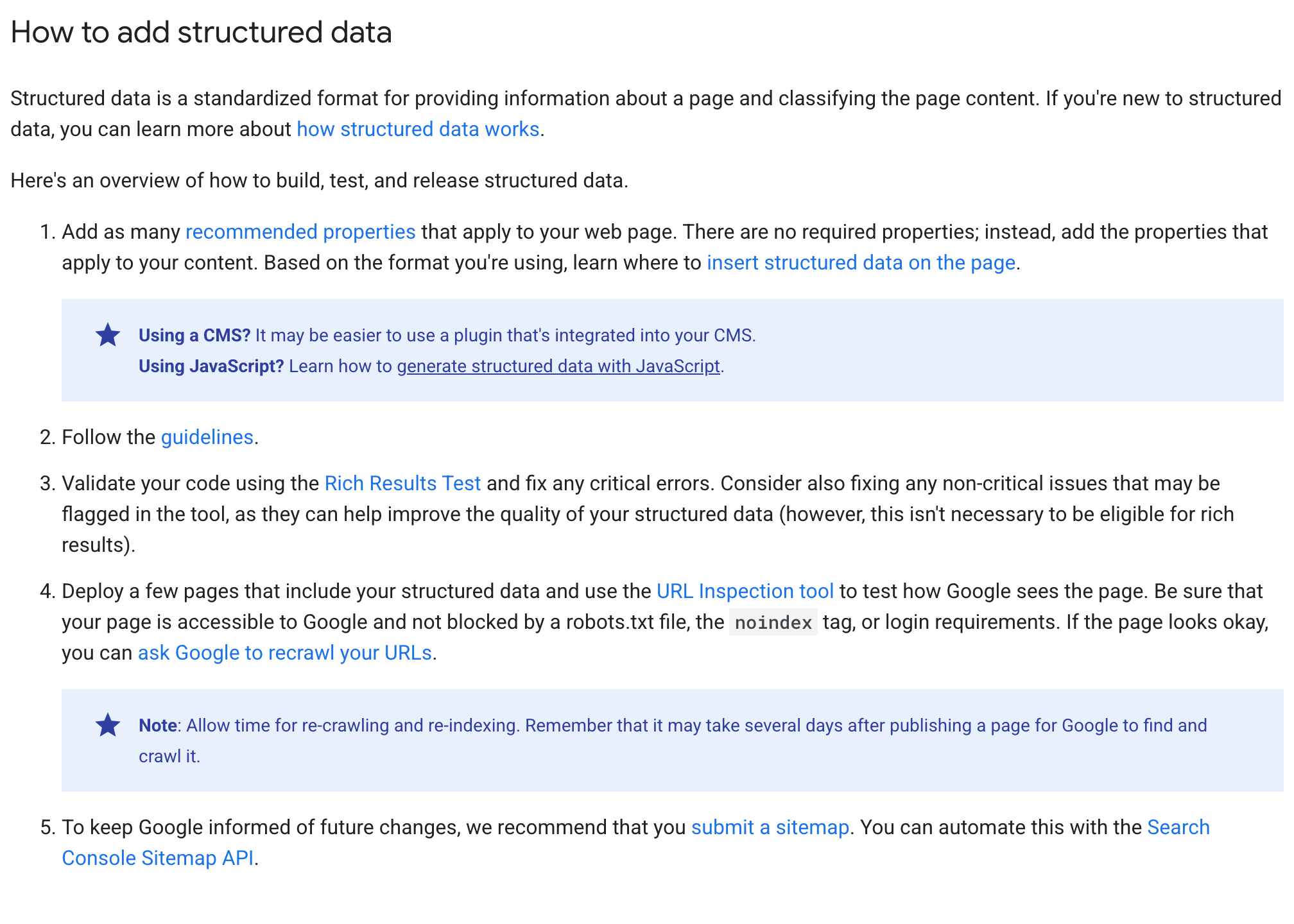
Align the displayed dates with datePublished and dateModified in structured data. Check that the server time zone does not shift the date by a day. Leave a human-readable change note, such as “Added authentication-error troubleshooting.”
- Keep the original date of publication.
- Align the display with datePublished.
- Record when an important explanation was actually corrected.
- Align dateModified with the change record.
View original Korean screenshot
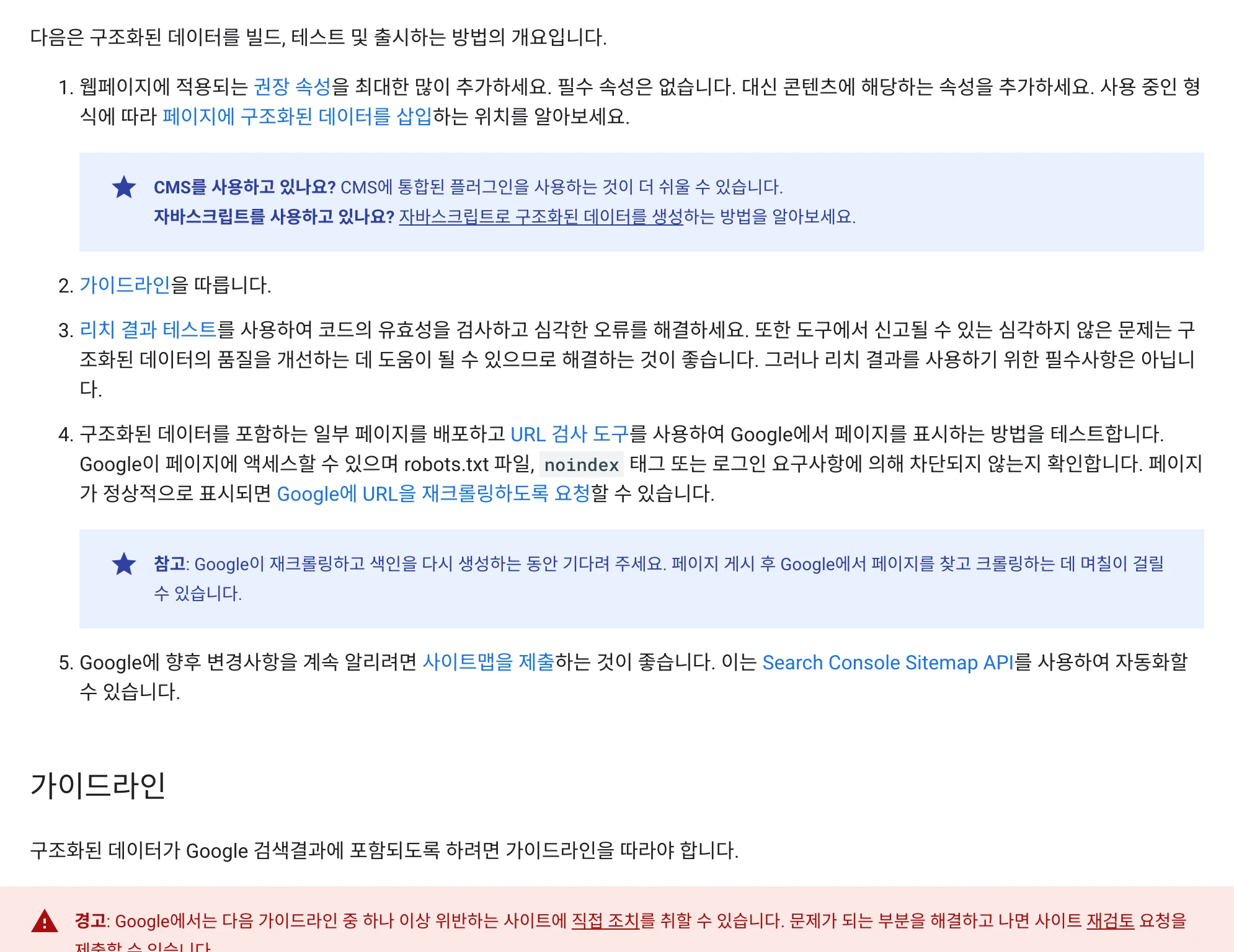
What limits should you set when AI edits text?
Try: “First find unsupported claims and missing steps in this article. Revise based on verified sources; do not invent performance figures or testimonials.” Polish the wording after checking the facts and steps.
Compare the result with the previous article. Check that conditions and exceptions remain and that a previously working path still works in the new instructions. Smooth wording is not a good update if it removes information readers need to follow the guide.
How do you check that the update is complete?
Check the title, body, table of contents, links and dates on the published page. On mobile, look for clipped long sentences or URLs and open related links yourself.
Record the change and next review date, then compare search performance under the same conditions. Record a lack of observed improvement too. Keeping track of what was changed in each article helps prevent repeated rewrites without a reason.
Frequently asked questions
Can I just change the modification date on an SEO article?
Do not change only the date to make unchanged content look new. Record the actual date when you add a new procedure or materially correct an explanation. Retain and distinguish the original publication date.
Should every old blog post be rewritten?
Older content can stay if it is still correct. Start with changed official settings or commands, recurring reader questions and missing next steps. Fix the parts for which you have a reason first.
Is it okay to rewrite an article with AI?
Ask AI to find unsupported claims and missing steps first. Revise using verified sources and do not invent performance numbers or testimonials. Compare the revision with the original for omitted conditions and exceptions.